
BIM vs Digital Twin
Which Decisions Does Your Site Need to Support? — Six questions about evidence, timing and responsibility.
By Edward Kim | BuildNextSphere

Figure 1. The Model Is Clear. Is the Decision?
Source: AI-generated concept illustration; layout and editorial direction by Edward Kim | BuildNextSphere.
Note: A hypothetical planning scene contrasts a model with a construction-site view. Their juxtaposition does not demonstrate a live data connection, verified current conditions or decision readiness; this is not an actual project record.
01. A convincing model—and an unanswered question
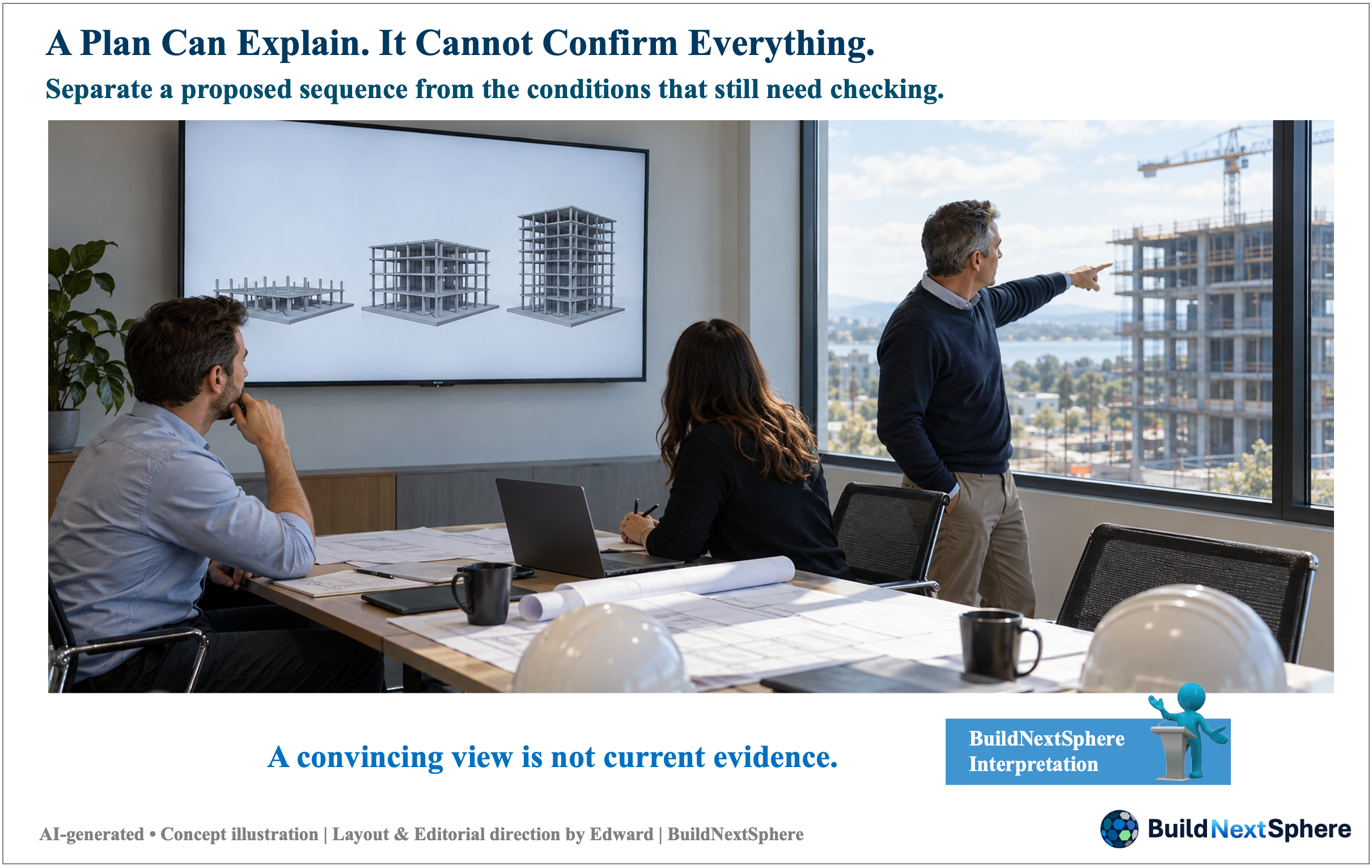
Figure 2. A Plan Can Explain. It Cannot Confirm Everything.
Source: AI-generated concept illustration; layout and editorial direction by Edward Kim | BuildNextSphere.
Note: A hypothetical review meeting distinguishes explaining a proposed sequence from checking current conditions. The sequence shown is illustrative, not a verified programme or a reconstruction of Edward's 2017 project.
A project team watches a carefully prepared construction sequence. Structural elements appear in order, the view moves through a difficult work area, and the proposal becomes easier to discuss. Then someone asks: does this reflect the conditions we will actually face next week? The presentation may explain the plan well without answering that different question. This is a hypothetical scene, not a reconstruction of my project experience.
For a site manager, client or digital-delivery lead, the useful starting point is not which label sounds more advanced. It is the decision that needs support: coordinating a design, comparing construction sequences, or assessing a changing condition. These questions may concern the same asset, but they need different evidence. A model should not be rejected for failing to answer a question it was never prepared to address.
This guide compares BIM and digital-twin uses through six practical questions. It also draws on my experience with a planning-oriented 4D simulator. The aim is not to recommend a product or a universal upgrade path, but to help a team specify what it needs to know, when it needs to know it, and who will check the information.
02. Different concepts, not opposing camps
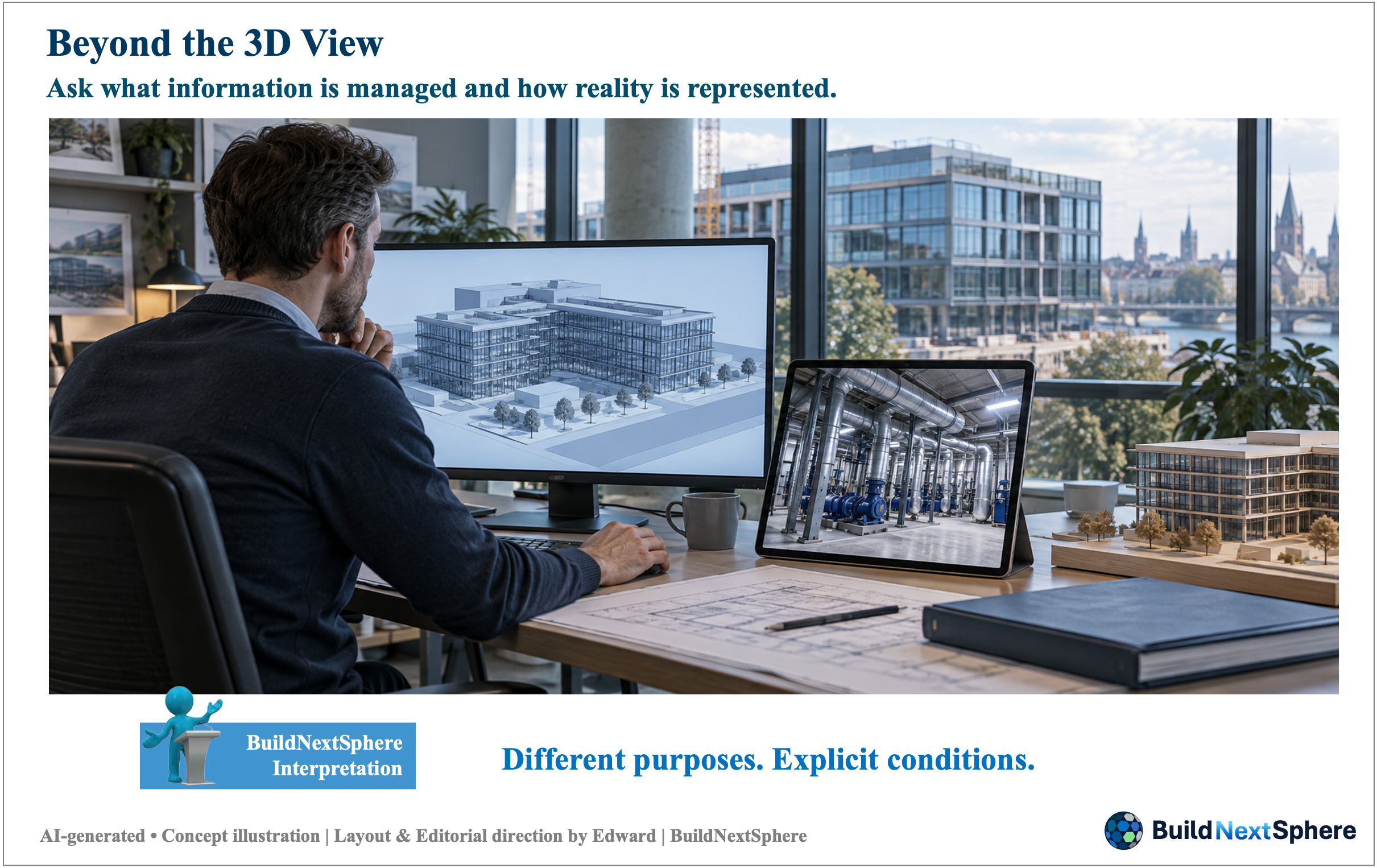
Figure 3. Beyond the 3D View
Source: AI-generated concept illustration; layout and editorial direction by Edward Kim | BuildNextSphere.
Note: The model, plant-room view and physical model illustrate different representations of information, not a BIM-versus-Twin maturity ranking. Their appearance together does not establish that they describe the same asset, are synchronized or enable automatic control.
BIM should not be reduced to an attractive three-dimensional view. The IMI Framework, reached through the former UK BIM Framework address, presents information management using BIM across design, construction and operation. Its scope helps explain why the conversation includes information, responsibilities and use—not geometry alone. IMI Framework
For digital twins, this article follows the Digital Twin Consortium's definition: a representation of real entities or processes kept synchronized at a specified frequency and fidelity. Its explanation allows different update intervals, one-way or two-way mechanisms, and human involvement. Continuous updates and automatic control are therefore not universal requirements under that definition. Definitions vary, so state the convention being used. DTC definition
For a procurement discussion, I would therefore avoid a simple choice between 'BIM' and 'Twin'. Ask what each proposed arrangement actually does. A useful comparison identifies the information delivered, the decision it serves and the operating commitments behind it. A polished demonstration is a starting point for those questions, not the evidence that all of them have been answered.
03. A 4D experience: testing a plan and explaining it
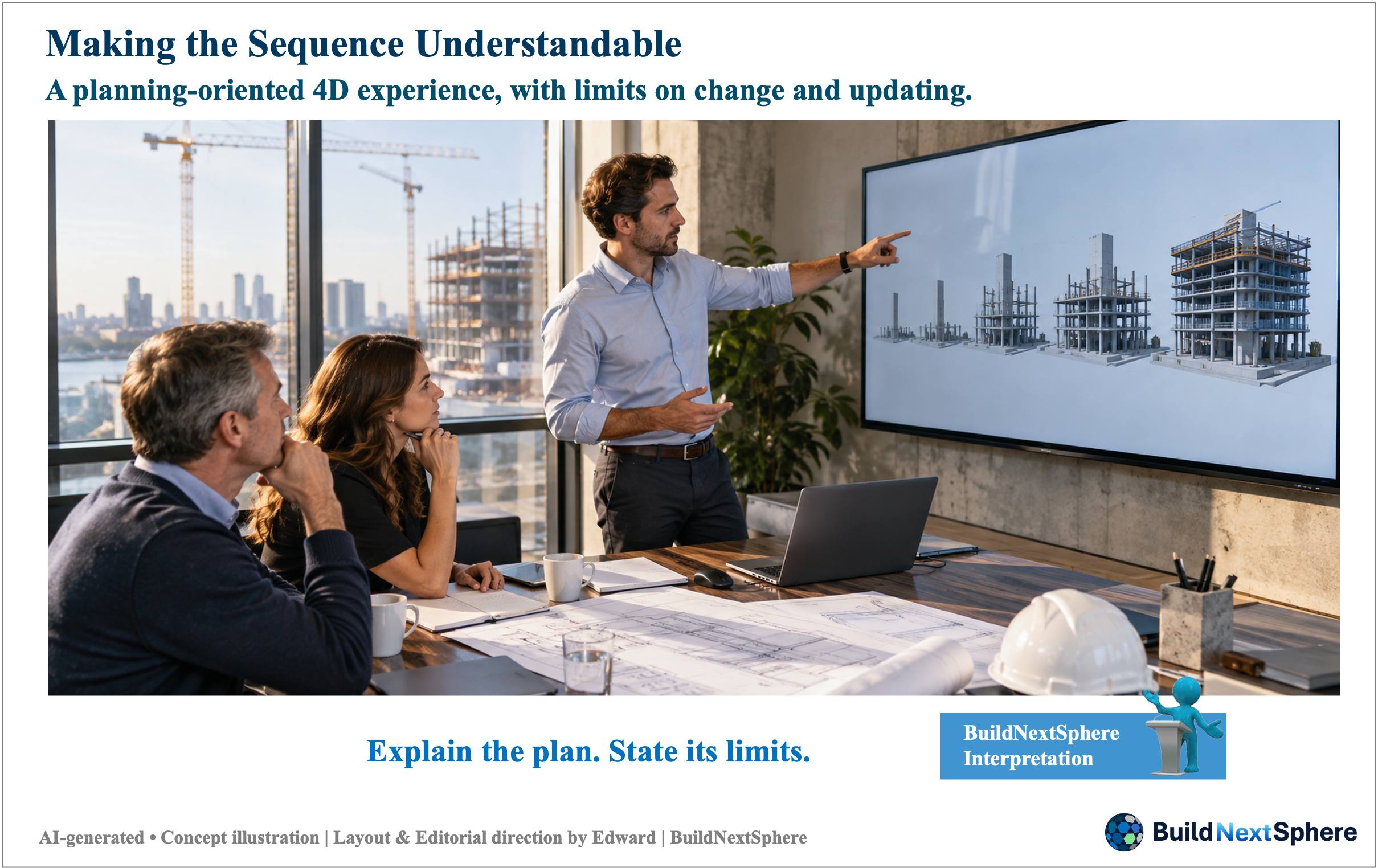
Figure 4. Making the Sequence Understandable
Source: AI-generated concept illustration; layout and editorial direction by Edward Kim | BuildNextSphere.
Note: A conceptual illustration of tender-stage sequence review and stakeholder explanation, informed by Edward's account. It is not a photograph, interface or reconstruction of his 2017 system. Optimization was an aim; no specific error correction, measured saving or digital-twin deployment is demonstrated.
Around 2017, I worked with a 4D simulation approach for projects with complex structures and construction sequences. The main purpose was to examine errors in the proposed sequence and explore schedule optimization. A further use was helping clients, supervision teams and other project participants understand the plan. The principal setting was tender-stage planning and presentations to the client.
The implementation used CAD/Revit-based material with game tools, within the tools and project conditions available to us at the time. Updating the simulation and incorporating changes were very limited. That limitation matters: a sequence prepared for a proposal should not be presented as a continuously maintained account of site progress. I am describing this particular implementation, not claiming that BIM as an industry was absent or immature in 2017.
The distinction is between purpose and demonstrated outcome. Sequence review and optimization were objectives; this account does not establish a measured reduction in duration or a particular error that was corrected. Nor have I specified the exact update workflow, software engine or data interfaces here. The experience is useful because it puts a boundary around the tool's role: supporting planning and shared understanding, without relabelling it as a digital-twin deployment.
04. Ask when the decision must be made
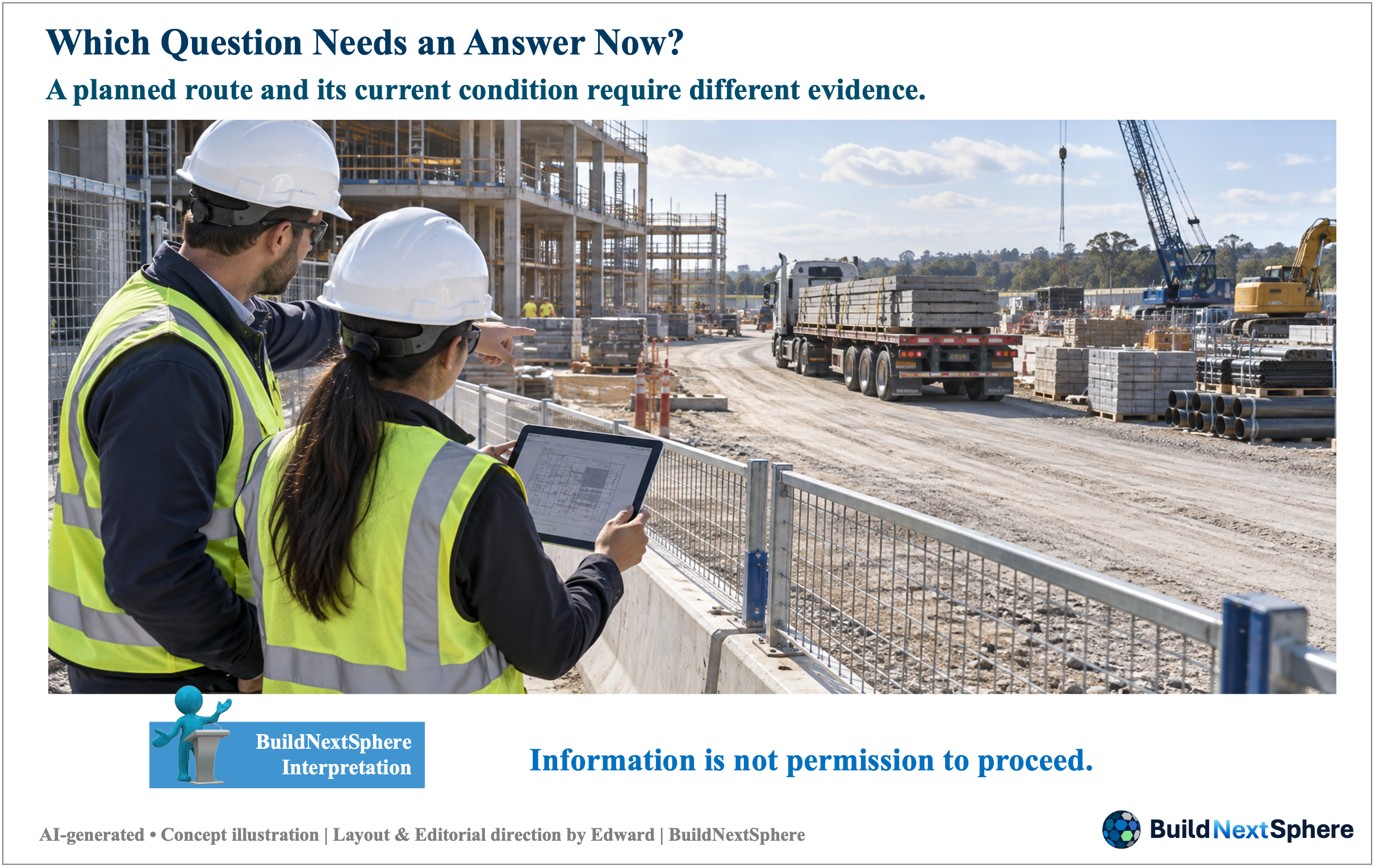
Figure 5. Which Question Needs an Answer Now?
Source: AI-generated concept illustration; layout and editorial direction by Edward Kim | BuildNextSphere.
Note: A hypothetical access-route review is separate from Edward's 2017 experience. The plan and visible site scene do not establish verified route availability or authorize work; applicable site checks and authorized decisions remain necessary.
Consider two hypothetical questions about one work area. The first is: which proposed sequence leaves a usable delivery route? A team could compare alternatives using the relevant geometry, planned activities and stated assumptions. The value lies in exposing a dependency for discussion. The result is still conditional on the plan and inputs used; it is not a promise that the route will be clear on the day.
The second question is: what is the route's condition now, and is the information recent enough for the next review? That calls for evidence about actual conditions, its observation time, its coverage and the person responsible for checking it. A proposed twin-based service would need to explain how it maintains the connection for this use. Merely renaming the earlier simulation would not provide the missing evidence.
Neither question removes the need for competent review. A displayed route, model result or status update is not an instruction to start work. Applicable site checks and authorized decisions remain separate. For this guide, the practical test is to write the decision and its deadline before requesting another feature. That makes gaps visible without assuming that more frequent data is always more useful.
05. Put the proposal through six questions
Use the following sheet for a specific proposal, not for ranking technologies in the abstract. The two uses are illustrative: a planned-sequence review and a proposed synchronized-status review. They are not a complete definition of BIM or digital twins, and the second is not a system I claim to have implemented. Replace the examples with evidence from your own situation.
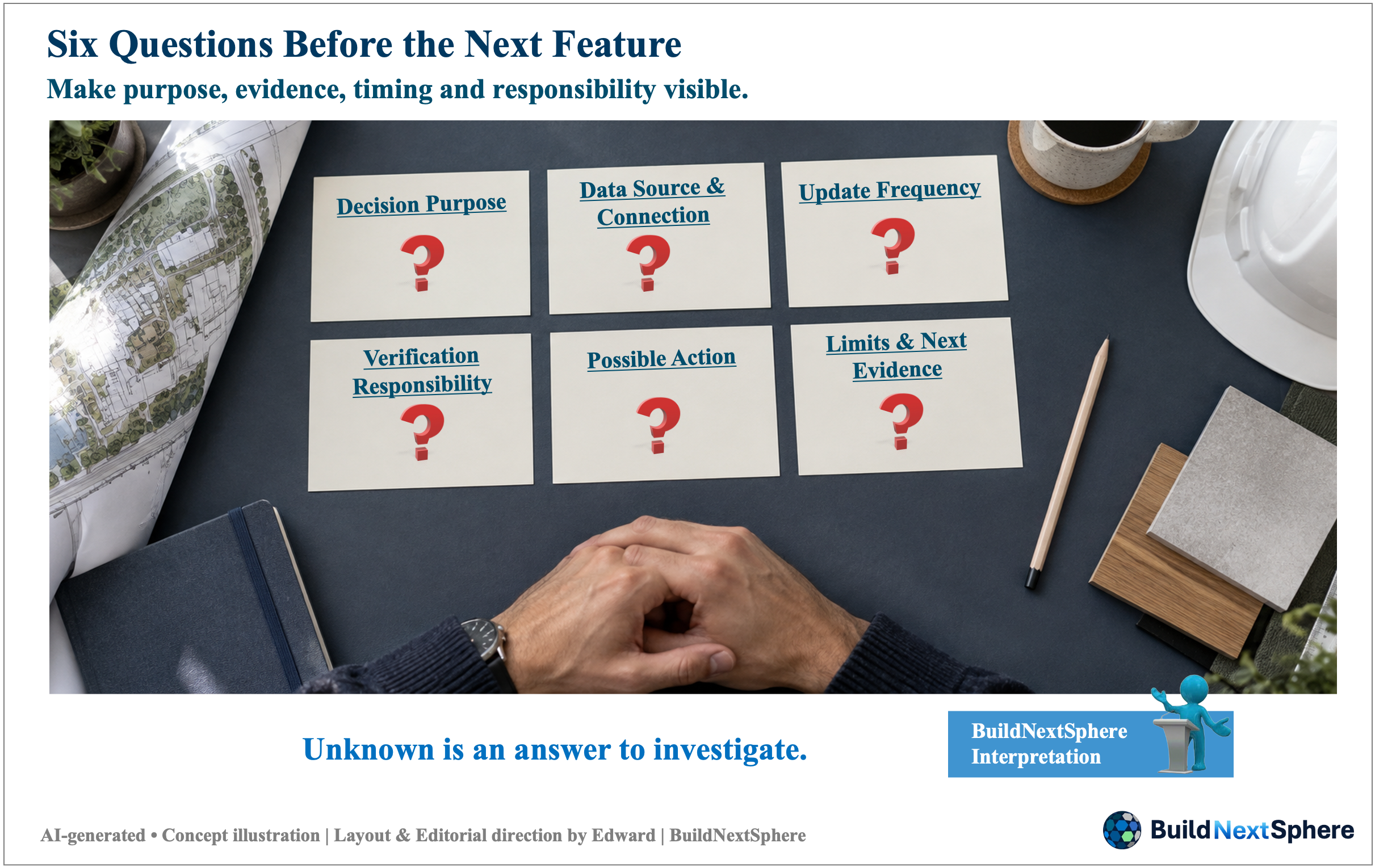
Figure 6. Six Questions Before the Next Feature
Source: AI-generated concept illustration; layout and editorial direction by Edward Kim | BuildNextSphere.
Note: The six labelled cards organise connected comparison questions, not sequential gates or a validated maturity score. Red question marks identify matters to investigate, not confirmed failures, verified capabilities or an instruction to buy or automate.
1. Decision purpose
Planning use: compare proposed sequences. Status use: examine a defined changing condition. Name the decision, user and required time before discussing the interface.
2. Data source and connection
Planning use: identify the model, programme and assumptions used. Status use: identify the observations and how they correspond to the represented subject. Record missing coverage explicitly.
3. Update frequency
Planning use: state the revision and events requiring a new review. Status use: state the update interval and acceptable information age for the decision. Do not assume 'live' means suitable.
4. Verification responsibility
For either use, name who checks the inputs, limitations and discrepancies. Distinguish the person maintaining data from the person authorized to decide; roles must be confirmed locally.
5. Possible action
Planning use: discuss or revise a proposed sequence through the applicable review. Status use: investigate a change or refer it to the responsible reviewer. Neither example grants work authorization.
6. Limits and next evidence
State what cannot be inferred, including unobserved conditions and untested assumptions. Select the most important unknown, its evidence source and a named follow-up owner rather than assigning a maturity score.
An incomplete sheet is still useful if it distinguishes what is known from what is assumed. It is an editorial comparison aid, not a validated readiness score, procurement assessment or safety approval. A blank answer should become a next enquiry, not a reason to invent a capability.
06. Define a useful next step, not an upgrade slogan

Figure 7. One Decision. One Next Check.
Source: AI-generated concept illustration; layout and editorial direction by Edward Kim | BuildNextSphere.
Note: A hypothetical team review illustrates identifying an issue, its evidence and a responsible follow-up reviewer. The scene does not establish that a check is complete, prescribe an approval procedure or demonstrate improved performance.
Before expanding a trial, ask what it takes to keep its information useful. Who corrects an outdated record? Who resolves a disagreement between the model and a field observation? Who knows that an input is missing? These are proposed review questions, not operating procedures from my 2017 example. The effort of maintaining and checking the information belongs in the discussion alongside the visual output.
A bounded next step could be to select one sequence review, identify its input revision and assumptions, and agree who will test an unresolved constraint. If the need is instead to follow a changing condition, first establish the observation source, update commitment and verification owner. Do not fill a missing answer with the word 'connected'. Record it as unknown and decide who can provide the evidence.
My 4D experience showed me the importance of making a complex plan understandable, while its update constraints made the limits of that use clear. The lesson is not that every planning model must become a twin. Start with the question the project actually needs to answer. Then choose an information arrangement whose evidence, timing and responsibilities you can explain—and whose limits the people using it understand.
Sources
IMI Framework. Used in section 02 for information management using BIM across lifecycle stages; not proof of a particular implementation or performance.
Digital Twin Consortium — Digital Twin Definition, 3 December 2020. Used in section 02 for the declared definition and its synchronization conditions. It is a cited convention, not a universal taxonomy or assessment of Edward's simulator.
Basis of This Article
This article combines the two cited conceptual sources, Edward Kim's account of a planning-oriented 4D simulation around 2017, and editorial comparison questions. The opening and access-route examples are hypothetical, not reconstructions of that experience. No specific sequence correction, quantified optimization result, detailed update workflow or digital-twin deployment is established here. The comparison sheet is not a validated procurement or safety assessment.
Related Reading
Explore more from BuildNextSphere:
The Future of Construction: Which Technologies will Really Change the Site?
Why Doesn’t Better Technology Always Deliver Better Construction Results?
When Projects Don’t Go to Plan: What Are We Missing?
Why Do Some Countries Advance While Others Miss Opportunities?
BuildNextSphere
BuildNextSphere connects Development, Technology & Project Intelligence through practical, experience-informed content.
About the Author
Edward Kim is the Founder of BuildNextSphere.
He draws on his experience with overseas construction projects to share practical insights from field operations, project delivery, and IT-enabled working systems. Through BuildNextSphere, he explores how people, technology, and real project conditions can help turn plans into action and support better project outcomes.
Content & IP Notice
This article and related materials are prepared and published by BuildNextSphere. Unless otherwise stated, the original structure, wording, diagrams, frameworks, and visual materials are the intellectual property of BuildNextSphere and Edward Kim.
BuildNextSphere, its logo, tagline, and brand assets are part of the BuildNextSphere brand identity. Unauthorized reproduction, modification, redistribution, or commercial use is not permitted without prior written consent.
Third-party names, technologies, or references are mentioned for informational purposes only and remain the property of their respective owners.