
Why Do Busy Crews and Equipment Not Always Mean Higher Productivity?
Look beyond activity to completed work, reliable handovers and the conditions behind the report.
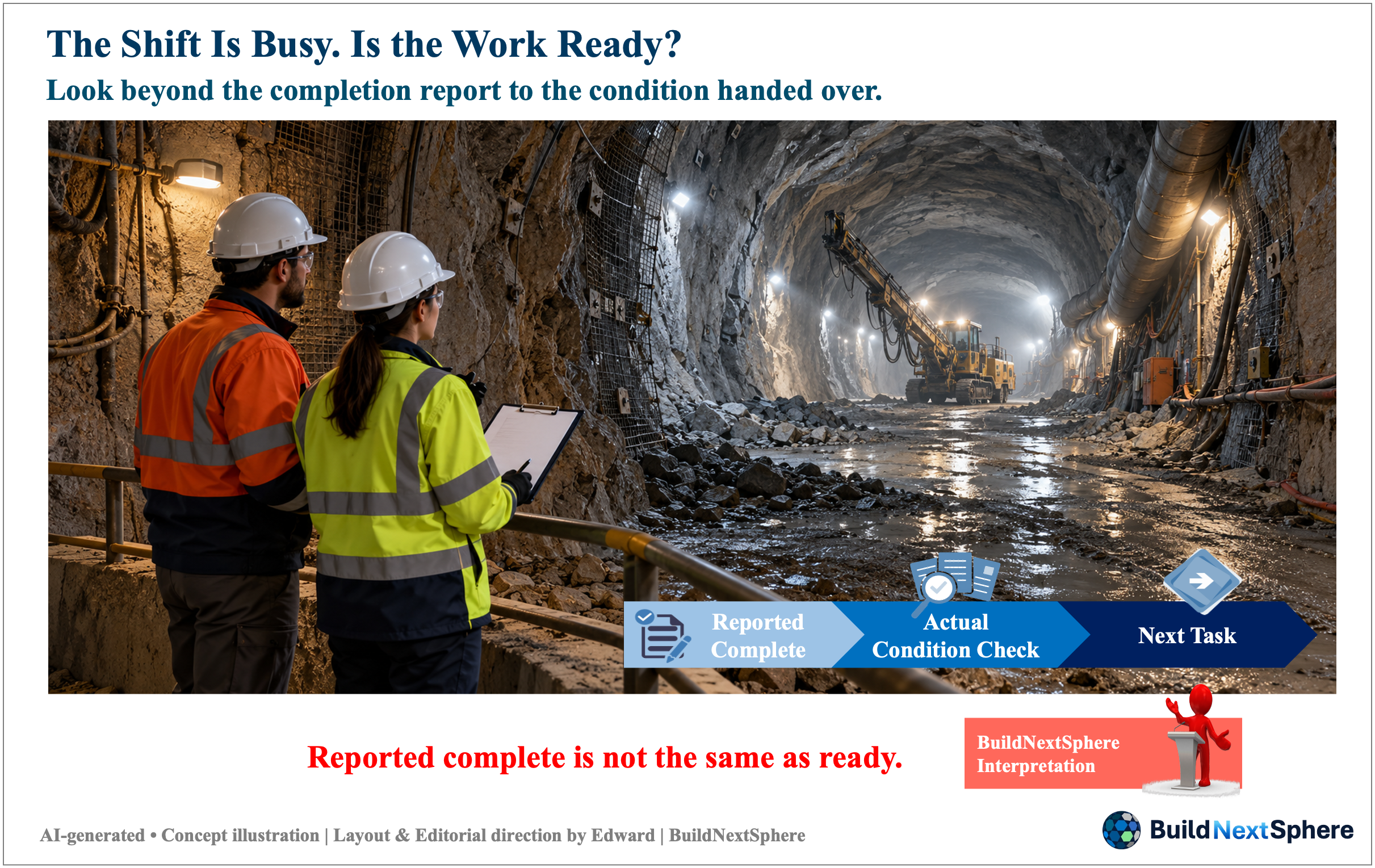
Figure 1. The Shift Is Busy. Is the Work Ready?
Source: AI-generated concept illustration; layout and editorial direction by Edward Kim | BuildNextSphere.
Note: A fictional scene distinguishes reported completion from the actual condition needed by the next task. The diagram places a condition check between the report and the next task; it does not confirm readiness or authorise work. This is not a photograph or reconstruction of the Indian project.
01. Reported complete, but not ready for the next task
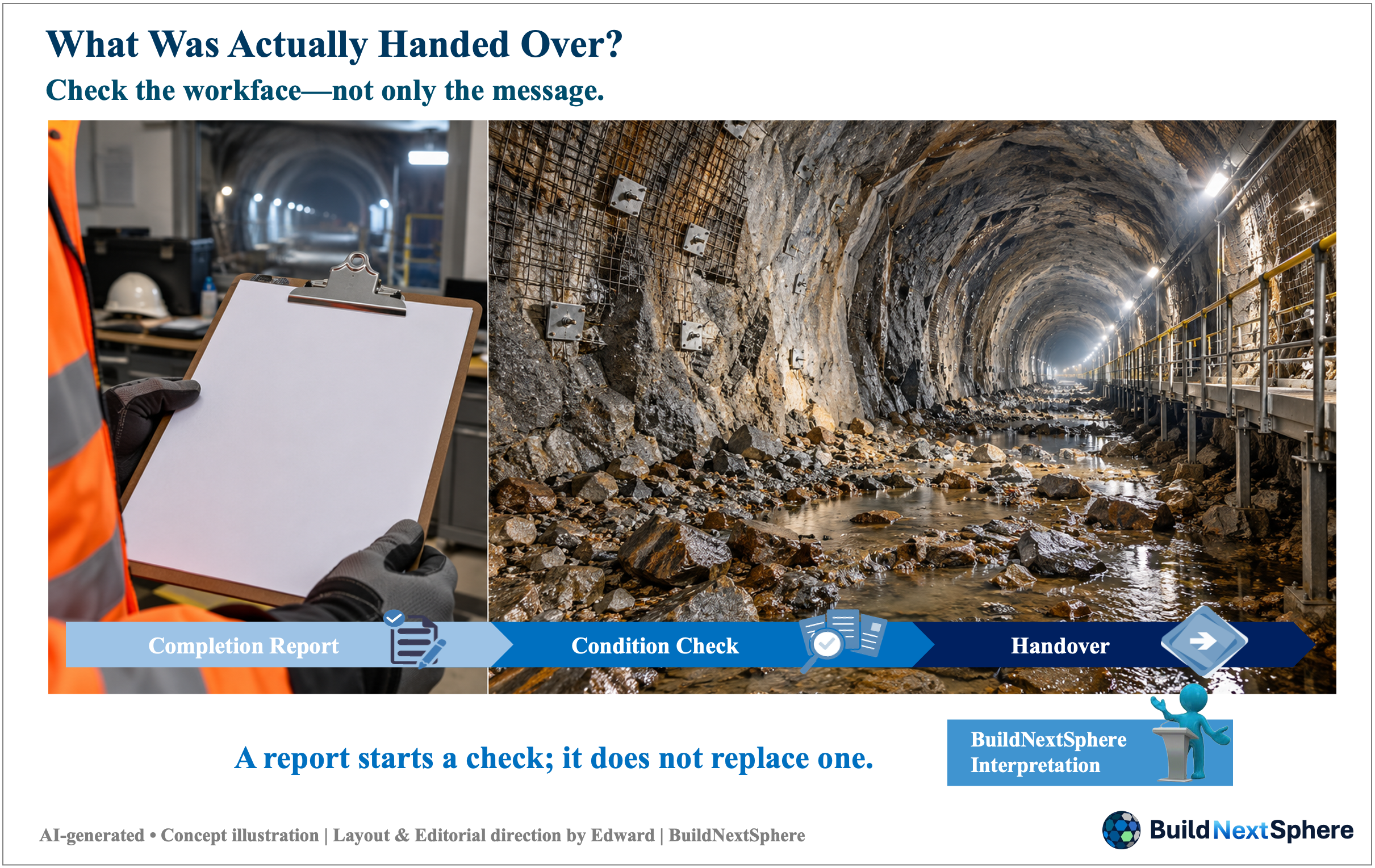
Figure 2. What Was Actually Handed Over?
Source: AI-generated concept illustration; layout and editorial direction by Edward Kim | BuildNextSphere.
Note: The two views contrast a written report with site conditions, not a before-and-after comparison. The report–check–handover sequence is an editorial explanation, not evidence that an inspection or handover has been completed, and not a site approval procedure.
On an underground storage construction project in India, I encountered a problem that a busy site could easily conceal. Tunnel face bottom cleaning was reported as complete, so drilling equipment was sent to the workface. After it arrived, the tunnel face bottom was found not to have been adequately cleared. An excavator had to be brought back. The next machine was available, but the preceding task had not delivered the condition it needed.
The work followed the removal of excavated rock and the scaling of loose rock. Remaining material needed to be cleared from the face bottom, including near the excavation face. Water made that condition harder to see. This is a description of the situation I managed, not a technical instruction for excavation, blasting or site safety.
Several workfaces were active around the clock, sharing limited equipment. Site engineers’ and supervisors’ reports were therefore important to coordination. Yet a distant observation or an assumption that a task had finished could become a completion report. The useful question was not simply whether people were working hard. It was whether the information used to release the next resource matched the actual condition.
02. Separate activity, utilization and productivity
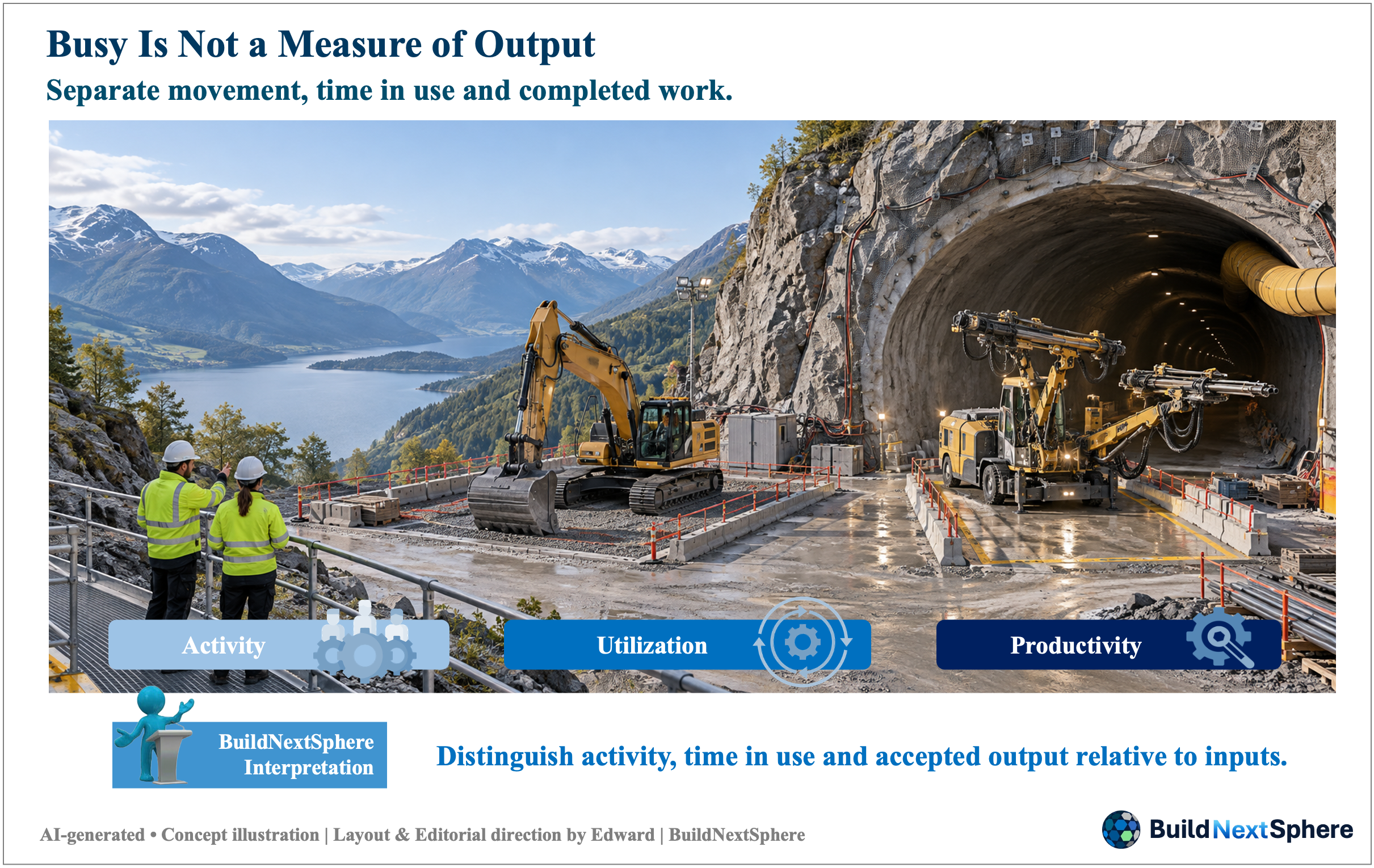
Figure 3. Busy Is Not a Measure of Output
Source: AI-generated concept illustration; layout and editorial direction by Edward Kim | BuildNextSphere.
Note: The setting and equipment are fictional and do not identify India or the author’s project. Activity, utilization and productivity are parallel concepts, not sequential stages or a cycle. Productivity concerns accepted output relative to inputs, not activity or time in use alone.
Activity tells us that something is happening: an excavator is moving material, a machine is travelling, or a crew is attending a task. It does not establish that the intended work has been completed. Returning an excavator to unfinished work creates activity, but that movement alone tells us little about useful output.
For this discussion, time-based equipment utilization asks how much of a stated period equipment is in use. The period and the meaning of ‘in use’ must be clear. A high utilization figure can still include work that later needs correction. Conversely, a necessary inspection or a properly coordinated pause should not automatically be labelled waste.
The U.S. Bureau of Labor Statistics explains productivity through the relationship between output and inputs. Applying that distinction to this reading guide, the output should meet a defined completion condition. For floor cleaning, a report or equipment-hours cannot substitute for the required cleared condition. This is an editorial application of a general concept, not a project-specific measurement standard.
The distinction also changes the conversation about improvement. Before asking whether an excavator should work longer, ask which output is being counted and whether repeated work appears in that count. A comparable work unit and a clear boundary help prevent movement, attendance and completion from being used as interchangeable evidence. None of this requires removing the safety and quality conditions that make the output acceptable.
03. Trace the waiting and rework behind the report
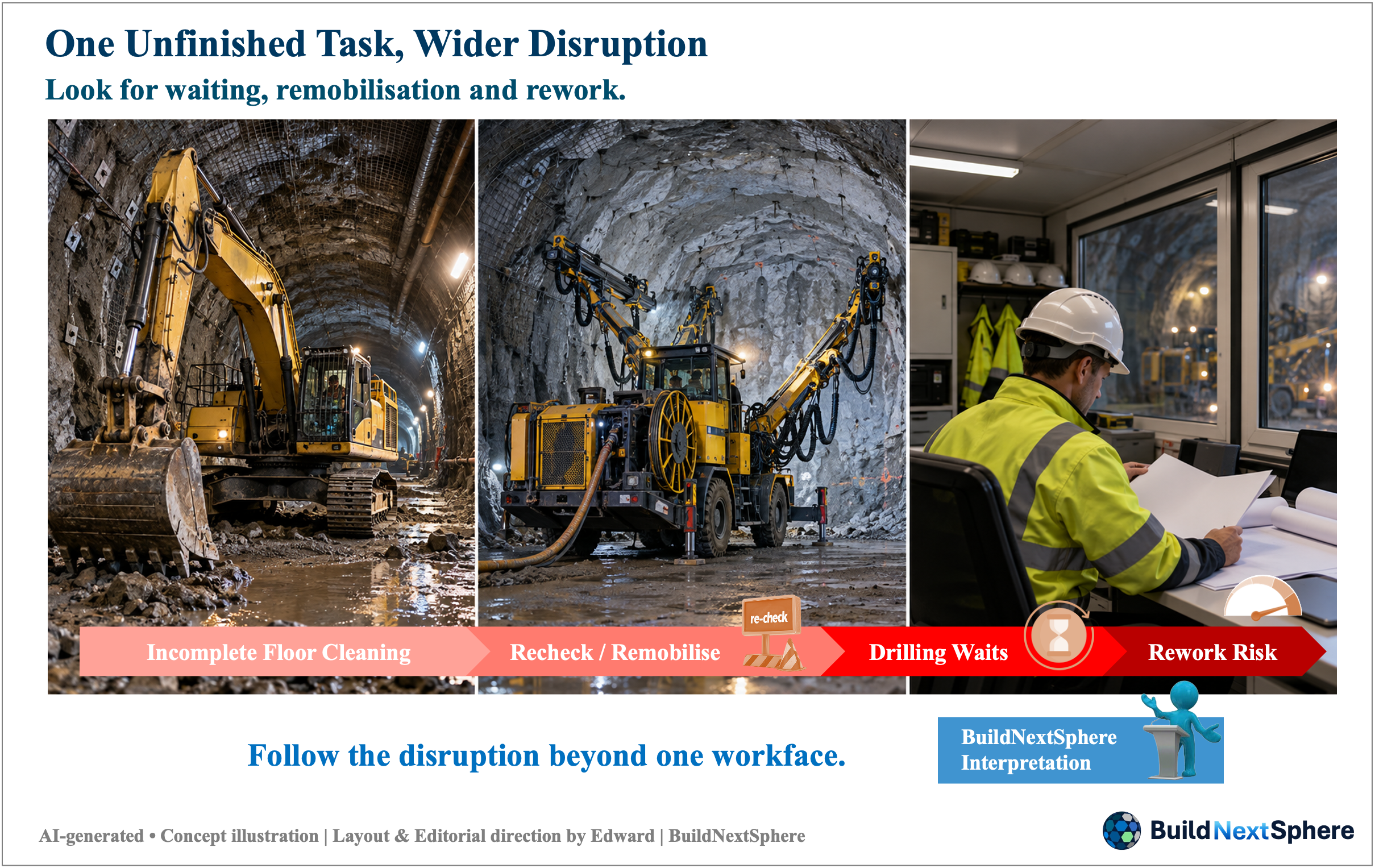
Figure 4. One Unfinished Task, Wider Disruption
Source: AI-generated concept illustration; layout and editorial direction by Edward Kim | BuildNextSphere.
Note: The scenes illustrate incomplete floor cleaning, rechecking and equipment remobilisation, drilling waits and possible rework. These are related issues, not an inevitable causal sequence: rechecking or remobilisation does not itself cause rework. Rework risk concerns proceeding with inadequately prepared conditions. The illustration does not quantify delays or losses.
Once the mismatch became visible, the effect extended beyond one workface. The drilling equipment waited while an excavator returned. That excavator might already be working elsewhere or allocated to another task. Correcting one handover therefore disturbed other arrangements. Looking only at the machine that appeared idle would miss the dependency that created the wait.
I also encountered cases in which inadequate floor preparation was followed by incomplete excavation at the floor and rework. This account does not establish that every such outcome has the same cause. It does show why a completion claim should be examined at the point where another task depends on it, rather than treated as an administrative detail.
Personal diligence mattered, but it was not the whole explanation. Water, visibility, long travel routes and simultaneous workfaces affected what could be checked and communicated. A useful diagnosis considers both responsibility and the conditions under which people exercise it. In this case, adding another resource without addressing the handover information would not, by itself, answer the problem revealed by the checks.
04. Combine records, practical training and recognition
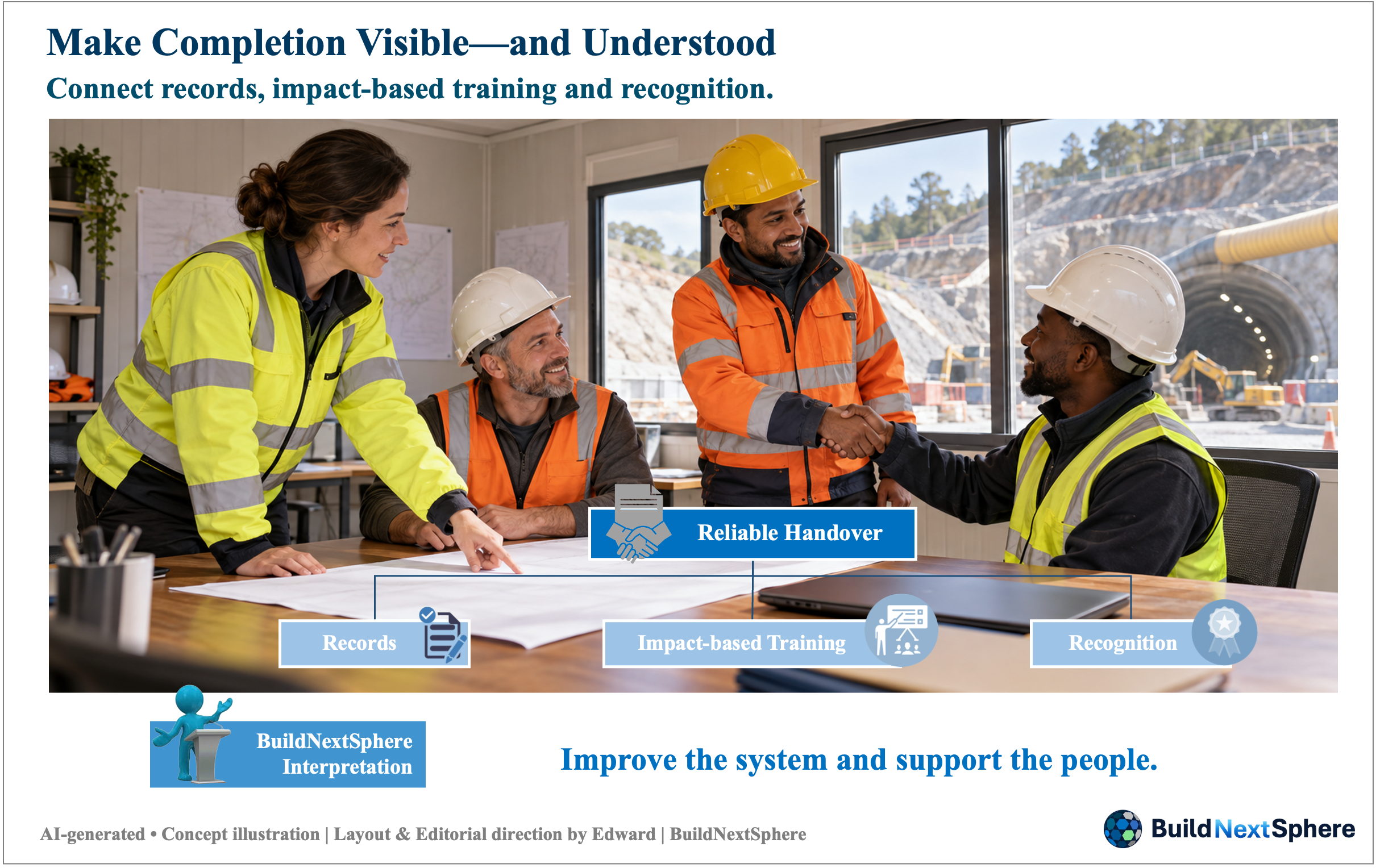
Figure 5. Make Completion Visible—and Understood
Source: AI-generated concept illustration; layout and editorial direction by Edward Kim | BuildNextSphere.
Note: Records, impact-based training and recognition are shown as linked management responses supporting the aim of reliable handover. Their connection does not guarantee that a handover is reliable or establish the independent effect of any one measure. The people and setting are fictional.
I made selective direct checks at critical transitions between activities and recorded both satisfactory and unsatisfactory conditions, including equipment waiting and incomplete excavation. These observations helped connect a reported status with what was happening at the workface. They were targeted management checks, not a claim that every task was personally inspected.
Tunnel personnel were asked to record their work, and the overall schedule was organised in an Excel database. This made the work more visible for monitoring, review and evaluation. The purpose was not to create more reporting for its own sake, but to expose the relationship between a task’s condition and the next resource commitment.
Training used actual schedule and cost impacts to explain why incomplete cleaning and unreliable reports mattered. Recognition for conscientious performance accompanied that effort. Records, practical explanation and incentives belonged together; the response was not monitoring alone. This experience later helped motivate the development of a Work Management System. The Excel-based arrangement described here should not be confused with that later system.
05. Read one task through inputs, output and conditions
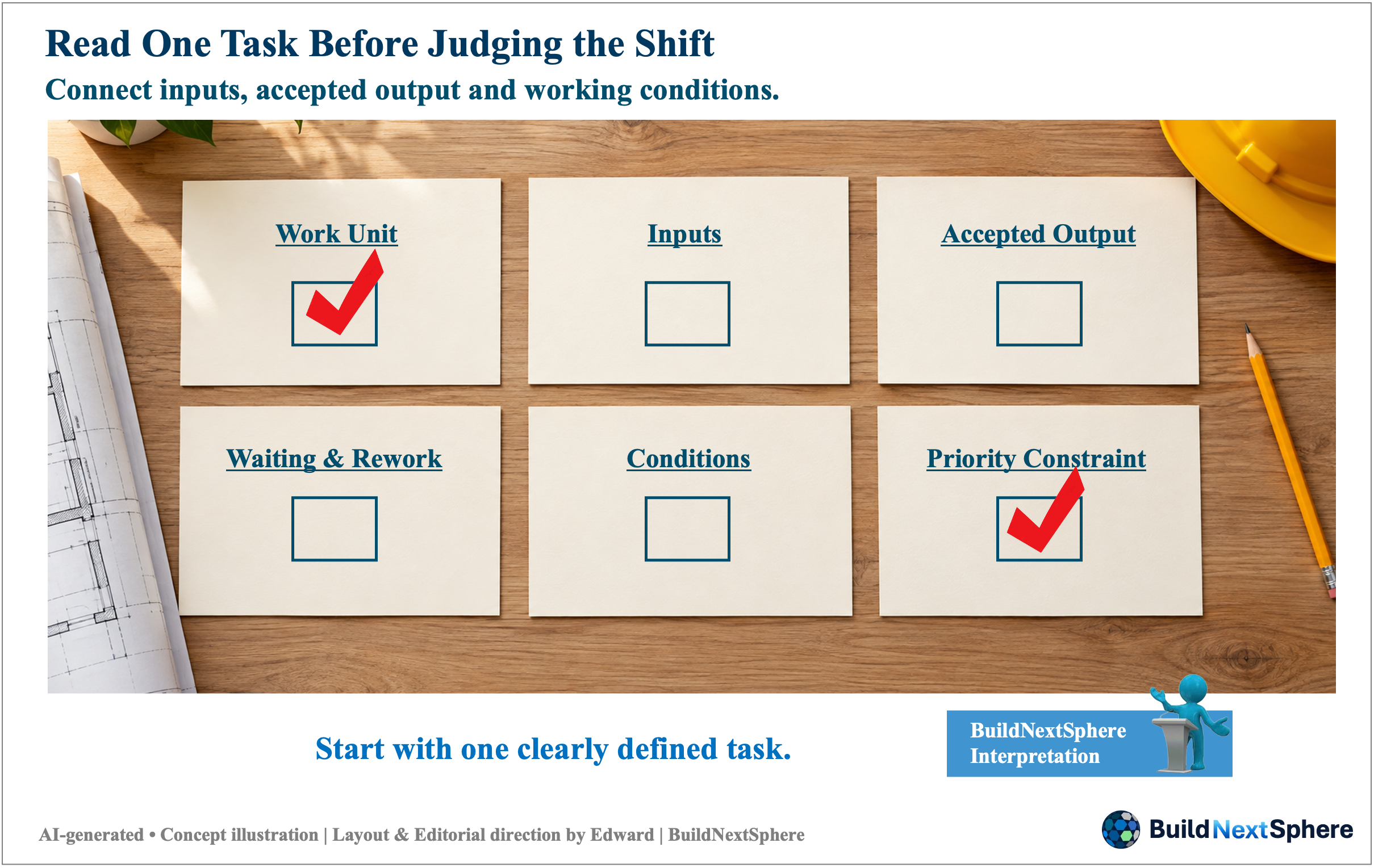
Figure 6. Read One Task Before Judging the Shift
Source: AI-generated concept illustration; layout and editorial direction by Edward Kim | BuildNextSphere.
Note: The six fields are connected editorial questions, not the project’s historical form, a validated assessment or sequential approval gates. Check marks are illustrative, not evidence of verified completion; unchecked boxes do not establish missing project data or deficiencies. Edward retains quantitative field-management records but does not disclose them in this article.
To examine a similar problem, begin with one task rather than a whole project’s productivity. The following six fields form an editorial reading card. They are connected questions, not sequential gates, an individual ranking system or the historical form used on this project. Their value is in making the uncertainty specific enough to investigate.
Work unit. Identify floor cleaning at a particular workface and the completion condition being discussed. Inputs. Identify the people, equipment and time involved. Quantitative records exist for Edward’s experience but are not disclosed here; do not fill this field with invented figures.
Accepted output. Ask whether the required floor condition was achieved under the project’s applicable criteria, not merely whether cleaning was reported. Waiting and rework. Trace drilling waits, excavator remobilisation and floor-related rework separately. They are different consequences and should not be merged into one unsupported loss figure.
Working conditions. Examine visibility, water, travel distance, simultaneous tasks and how completion was checked. Priority constraint. Decide which uncertainty must be resolved first. In this account, the gap between reported completion and actual readiness was central. Another site may have a different constraint; the card does not supply its answer in advance.
Keep the source of each entry visible: a report, a direct observation, a retained record or a question still to resolve. Also identify the relevant time, because a condition can change between reporting and handover. For readers without access to private records, ‘not disclosed’ is an important boundary, not permission to estimate a result. The next inquiry should target the uncertain relationship, rather than merely request another broad declaration that the work is finished.
06. Explain the improvement within the disclosure boundary
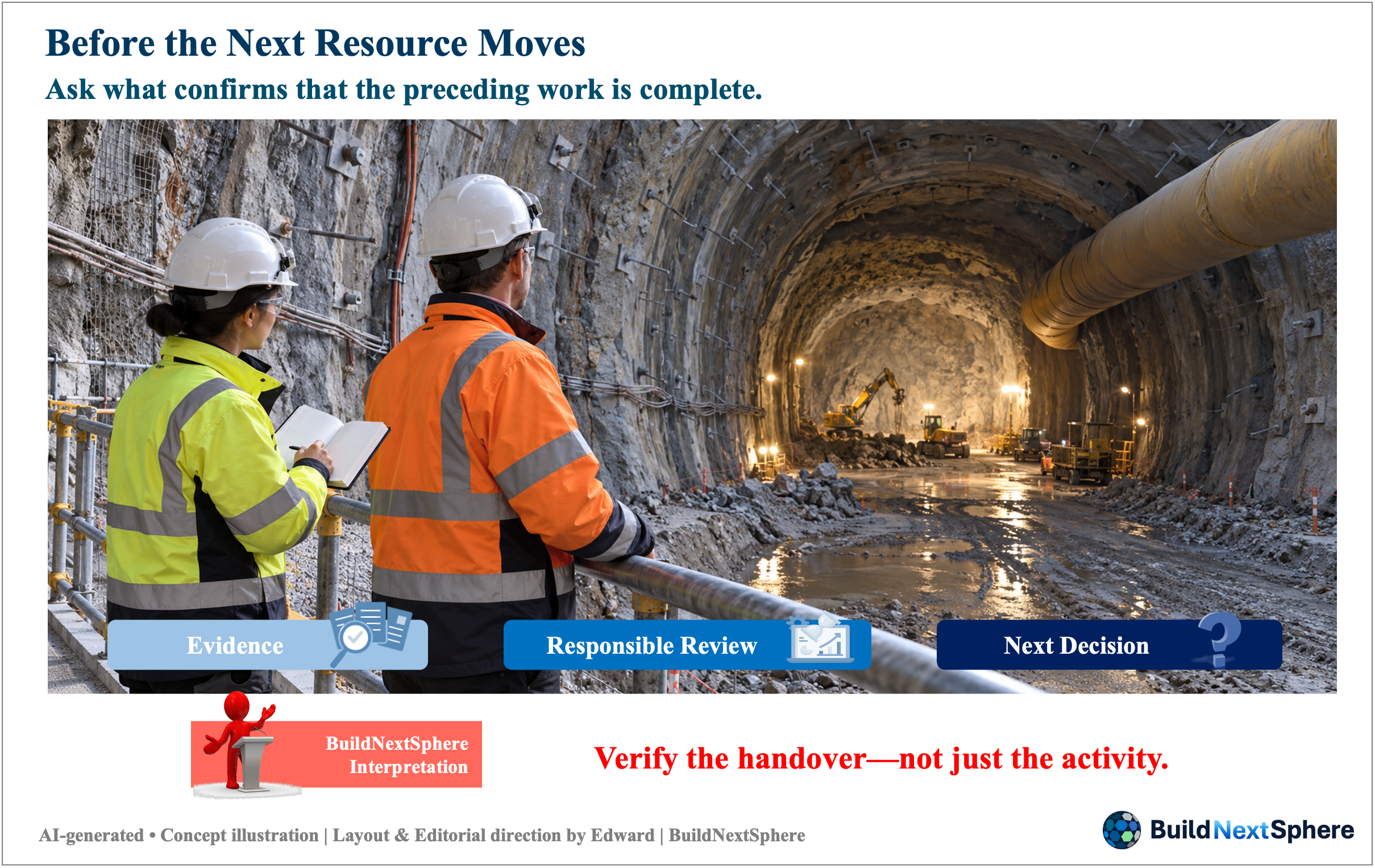
Figure 7. Before the Next Resource Moves
Source: AI-generated concept illustration; layout and editorial direction by Edward Kim | BuildNextSphere.
Note: The scene connects evidence, responsible review and the next decision as questions about handover. It does not show that a review is complete, authorise the next operation or demonstrate improved productivity. The people, equipment and setting are fictional, not a technical inspection or safety procedure.
Following these management changes, I observed progressive improvement in inadequate or omitted floor cleaning and a substantial reduction in floor-related rework. I retain quantitative records from my actual field management, but those records and their specific figures are not disclosed. This article describes the measures taken and the changes observed without publishing a percentage, a cost saving or a time-saving claim.
Nor does the account isolate the contribution of recording, training or recognition as if each had been independently tested. The lesson is narrower and more practical: visible activity should be read alongside the condition handed over, and information quality is part of coordinating scarce resources. That is a management perspective grounded in this experience, not a universal formula.
Choose one handover in your own work. What does ‘complete’ mean there? What evidence supports that statement, and who reviews it before the next resource is committed? Answering those questions will not solve every productivity problem. It can, however, reveal why a busy operation is not delivering the completed work its plan assumes.
Sources
U.S. Bureau of Labor Statistics — What is productivity? — Used for the general output–input concept only. Accessed 1 October 2026; the agency has not validated this case or its reported effects.
Basis of This Article
This article combines Edward Kim’s anonymised field-management experience in India with a general productivity concept and an editorial reading card. Quantitative project records are retained by Edward but are not disclosed or independently reviewed here. The illustrations are AI-generated concepts, not photographs of that project. This is a management reading guide, not an excavation method, safety procedure or validated productivity assessment.
Read the PDF
Read or download the complete article (PDF)
Related Reading
Explore more from BuildNextSphere:
- When Projects Don’t Go to Plan: What Are We Missing?
- Smart Construction, More Tools—Why Is the Site Still So Busy?
- BIM vs Digital Twin
- Why Doesn’t Better Technology Always Deliver Better Construction Results?
BuildNextSphere
BuildNextSphere connects Development, Technology & Project Intelligence through practical, experience-informed content.
About the Author
Edward Kim is the founder of BuildNextSphere. His work draws on overseas construction, field operations, project delivery and IT-enabled management systems.
Content & IP Notice
Original editorial wording, structure and commissioned visual composition are associated with Edward Kim | BuildNextSphere. Third-party material remains subject to its respective rights. General management principles are not claimed as proprietary inventions. AI-generated concept images must not be represented as project evidence.